The Maltese archipelago basically consists of three islands: Comino, Gozo and Malta. Located in the Mediterranean Sea, just 93 km south of Sicily, the archipelago covers a total surface area of 316 sq. km with a population of 0.4 million. The largest island of the group is Malta, from which the archipelago takes its name. Valletta, the capital, is the cultural, administrative and commercial centre of the archipelago. The official languages are Maltese and English, but Maltese is described in the Constitution of Malta as the national language.
Studying in Malta can be a unique and rewarding experience. Malta is a small archipelago in the Mediterranean Sea with a rich history, vibrant culture, and a growing reputation for providing quality education.
Malta has a rich cultural heritage with influences from various civilizations. The country offers a Mediterranean lifestyle, historical sites, and a welcoming local community. Malta is considered a safe destination with a high quality of life. The islands offer a mix of historical charm and modern amenities.
Higher education is mainly provided by the University of Malta.
University level first stage:
Certificates, Diplomas and Bachelor’s Degrees are awarded in such fields as nursing, diplomatic studies, management, administration, law, librarian science, religious studies, arts and political and social sciences after a course lasting from one to three years. A Bachelor’s (General) Degree is received in three years. A Bachelor’s (Honours) Degree is received in four or five years, depending on the field of study.
University level second stage
The second stage leads to a Master’s Degree after a period of one to two years.
Candidates must hold an appropriate first degree with at least second-class Honours. In special circumstances, candidates without an Honours Degree may be admitted after taking a one-year preparatory course and successfully passing a qualifying examination. Master’s degree courses require candidates to submit a dissertation in addition to successfully completing the required courses.
Doctorate’s Degrees
Doctor of Medicine (MD) and Doctor of Law (LLD) degrees are awarded by the faculties of Medicine and Law, respectively, at the end of a 5- or 6-year course. A Doctor of Philosophy (PhD) degree is awarded after at least 3 years of study following the award of a Master’s degree. PhD candidates are required to submit a thesis after a period of research on an approved topic.
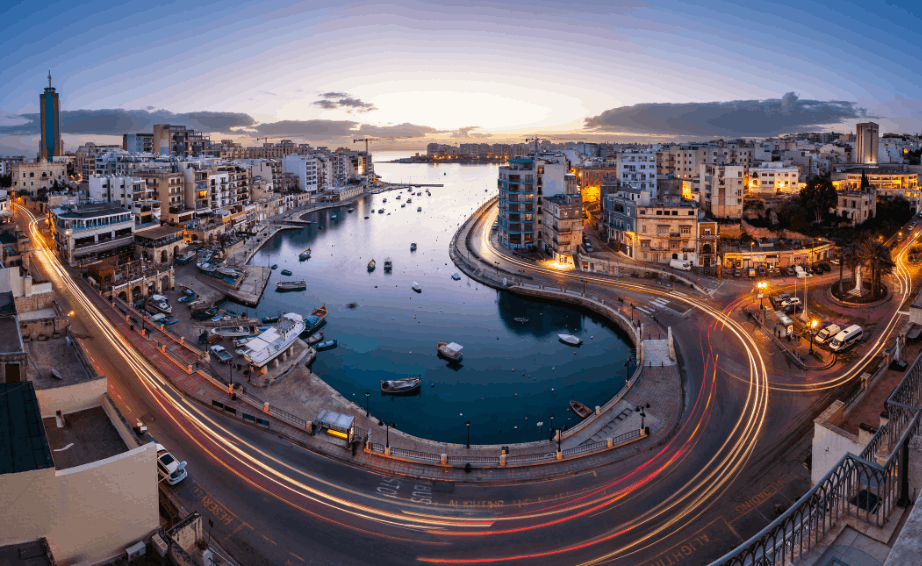
Malta has several institutions of higher education, including the University of Malta, which is the country's national university. There are also private institutions and specialized schools. Malta follows the Bologna Process, and you can pursue Bachelor's, Master's, and Doctoral degrees in various disciplines. The University of Malta is well-regarded and is known for its quality education and research. It offers a diverse range of programs in various fields.
The higher education system of Malta is open to international students. Currently there are over 600 full-time foreign students from some 75 countries. In addition, around 300 foreign students participate in semester exchanges. ESC Office could provides information and services regarding course requirements, accommodation, immigration, financial matters, health issues, procedures, regulations and qualifications to apply for university study in Malta. At present no scholarships are available, but it is possible to enrol in higher educational institutions in Malta. For more information, please contact our counselor or admission counselor of ESC.
Admission requirements may vary depending on the institution and program. Generally, you will need to submit academic transcripts, letters of recommendation, a personal statement, and proof of English proficiency (if applicable).
Free AI Website Software